Design For Manufacturing (DFM) Support
What Is DFM?
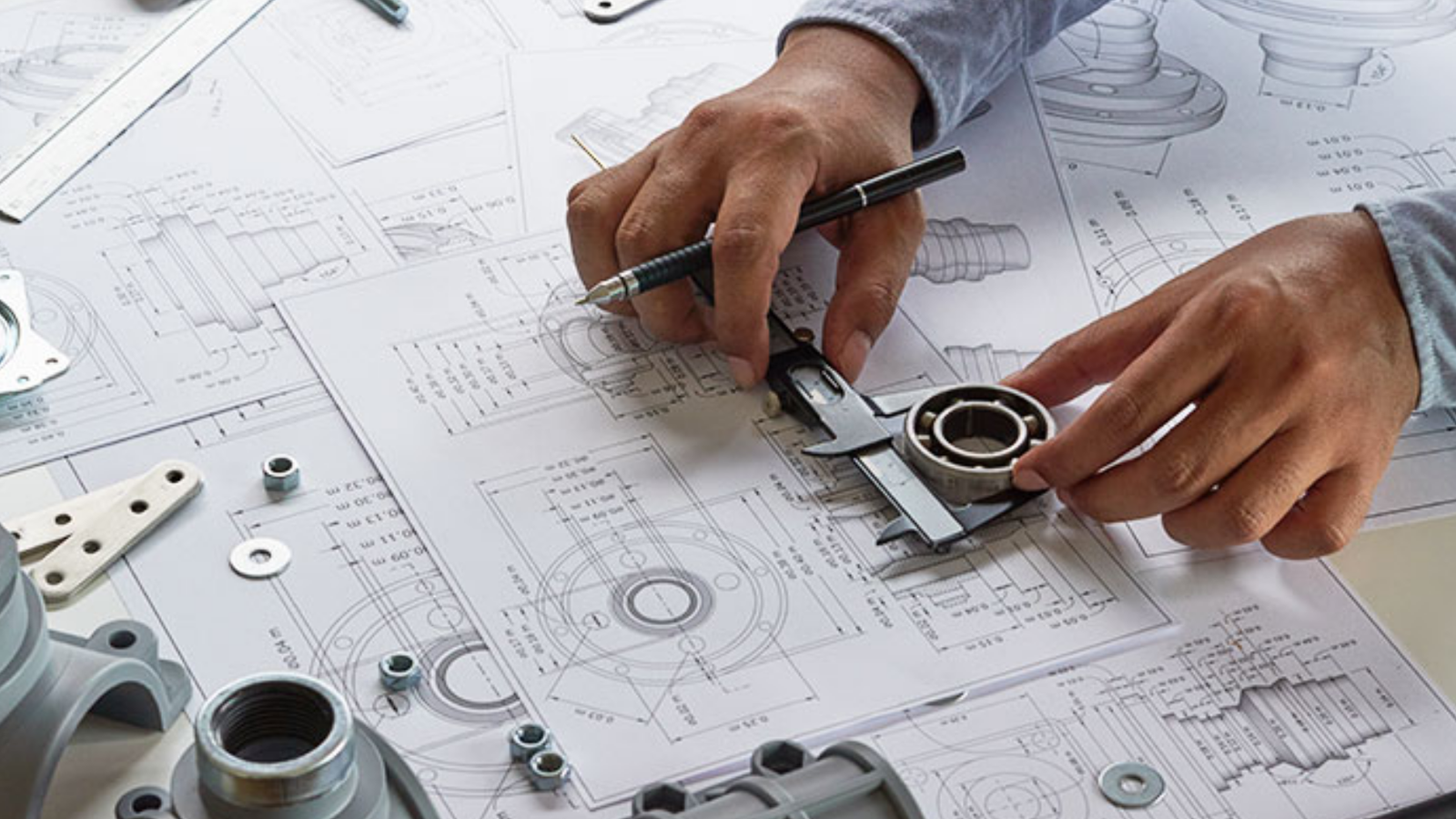
Design for Manufacturability (DFM) is all about creating smarter, more efficient product designs by choosing the right materials and manufacturing methods from the very beginning. When done right, it helps reduce production time, cut costs, and make the entire manufacturing process smoother compared to the original design approach.
DFM allows us to look closely at different design elements and manufacturing steps using practical principles and industry experience. It encourages fresh ideas and better techniques to improve a product in ways that benefit everyone involved—the designer, the manufacturer, and of course, the customer. Not too long ago, advanced manufacturing simulations were difficult to achieve due to limited tools and technology. But today, with powerful digital simulation software and fast, cost-effective processes like additive manufacturing, we can easily run detailed simulations and even build quick physical prototypes for testing.
These modern tools make in-depth DFM
modeling and real-world validation possible at a
much lower cost. That’s why more and more
companies are adopting DFM as part of their
standard workflow—to unlock its many advantages
and deliver better products with fewer surprises
along the way.
DFM Applications
There is a range of reasons why DFM is so invaluable in the competitive markets of the present day. Let’s take a look at how following DFM principles can result in an efficient design and manufacturing setup. With DFM, we can:
- Build realistic cost models in line with product objectives
- Minimize manufacturability issues so that the product can be manufactured quicker and in a more economical way
- Create an efficient design that leaves room for potential design changes in the later stages without a huge cost.
- Ascertain unnecessary design features that add costs and eliminate them
- Drive down supplier bids by modifying the design using DFM principles
DFM Principles
In this section, we shall learn about the different avenues on which the designer must focus when creating a DFM-friendly product. Optimising each one of those areas will ensure that the product, as a whole, becomes the very best version of itself. These five focus areas are:
- Manufacturing process
- Product design
- Product material
- Service environment
- Testing and compliance with various standards