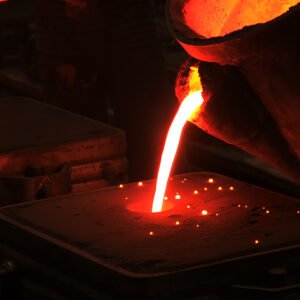
Die casting is a highly versatile manufacturing process where molten metal is injected into a mold under high pressure. This method makes it easy to produce detailed, complex parts with great accuracy and a smooth surface finish. Because of its speed and efficiency, die casting is widely used across different industries to create large volumes of reliable components. Below are some of the most common applications of die casting:
Automotive Industry:
Engine components: Many engine parts—such as cylinder heads, pistons, and engine blocks—are produced using die casting due to their need for accuracy and durability.
Transmission components: Gear housings, transmission cases, and several other drivetrain parts are commonly die-cast for strength and consistency.
Brackets and mounts: A wide range of structural brackets and mounting parts in vehicles are made through die casting.
Consumer Electronics:
Laptop and smartphone cases: Die-cast aluminum and zinc alloy cases provide durability, light weight, and a premium look for modern devices.
Camera housings: Many camera bodies and precision components rely on die casting for stability and fine detailing.
Audio equipment: Speaker parts, amplifier housings, and other audio components often use die casting for improved performance and strength.
Appliances:
Washing machine parts: Structural parts, motor housings, and certain drum components are frequently made using die casting.
Refrigerator components: Parts like compressor mounts and internal structural elements are produced using die-cast alloys.
Industrial Equipment:
Pump and valve components: Die casting is ideal for creating precision parts used in pumps, valves, and other industrial systems.
Hydraulic and pneumatic components: Manifold blocks, valve bodies, and similar elements are often die-cast for durability and precision.
Lighting Industry:
Light fixtures: From lamp housings to reflectors, die casting helps produce durable and visually appealing lighting components.
Aerospace Industry:
Aircraft components: Certain non-critical aircraft parts—such as interior fittings and some structural components—use die casting for lightweight reliability.
Medical Equipment:
Equipment housings: Die casting is used to make durable, clean, and precise casings for various medical devices.
Tool and Hardware Manufacturing:
Power tool housings: Strong, lightweight housings for power tools are often die-cast for better performance and longevity.
Lock and door hardware: Handles, knobs, lock bodies, and related hardware are commonly made using die casting.
Toys and Recreation:
Many metal parts in toys, models, and recreational products are produced through die casting for detail and durability.
Die casting offers great advantages—including high production speed, excellent dimensional accuracy, and the ability to create complex shapes—making it a preferred method in many industries. The choice of metal alloy (like aluminum, zinc, or magnesium) depends on the performance needs of the final product.