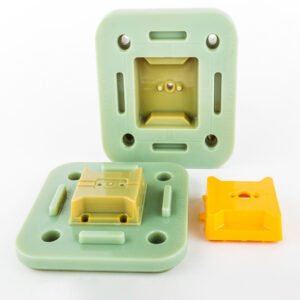
Vacuum casting—also known as silicone molding or polyurethane casting—is a simple and reliable way to create multiple copies of a prototype or model. It’s especially handy when you need small to medium batches with fine details and clean surface finishes. Below are some of the most common ways this process is used:
Prototyping:
Product Development: Vacuum casting is a go-to choice during product development to build prototypes for testing, reviewing, and refining before full-scale production. It helps teams make fast improvements and move confidently toward the final version.
Low-Volume Production:
Small-Batch Manufacturing: This process is cost-effective for small runs—often up to a few hundred units. It’s perfect when injection molding feels too expensive or unnecessary for short production cycles.
Customized Parts:
Medical Devices: Vacuum casting is commonly used to create customized medical components such as prosthetics, implants, and dental devices, where precision and comfort are essential.
Consumer Electronics:
Enclosures and Housings: Ideal for producing small batches of casings for gadgets like wearables, remotes, and other electronics where fit and finish matter.
Automotive Applications:
Interior Components: Automotive teams often rely on vacuum casting to create interior parts such as dashboard prototypes, knobs, and trim pieces for testing and design validation.
Aerospace Components:
Prototyping and Testing: In aerospace projects, vacuum casting helps produce trial components for performance checks before shifting to large-scale production.
Art and Design:
Sculptures and Art Installations: Artists and designers use vacuum casting to recreate detailed sculptures or design pieces for exhibitions or small-batch sales.
Consumer Goods:
Toys and Collectibles: This technique is great for crafting prototypes or limited runs of toys, figurines, and collectible items.
Industrial Components:
Functional Prototypes: Vacuum casting helps engineers produce functional prototypes to test durability and performance before finalizing production.
Electronics Enclosures:
Handheld Devices: It’s an excellent choice for making prototype enclosures for handheld products including scanners, industrial tools, and remote devices.
Architectural Models:
Scale Models: Architects and planners use vacuum casting to create realistic miniature models of buildings, landscapes, and entire environments for client presentations and approvals.
Overall, vacuum casting offers quick turnaround, low tooling costs, and excellent detail reproduction—making it a flexible and reliable method for many industries.
Top of Form